
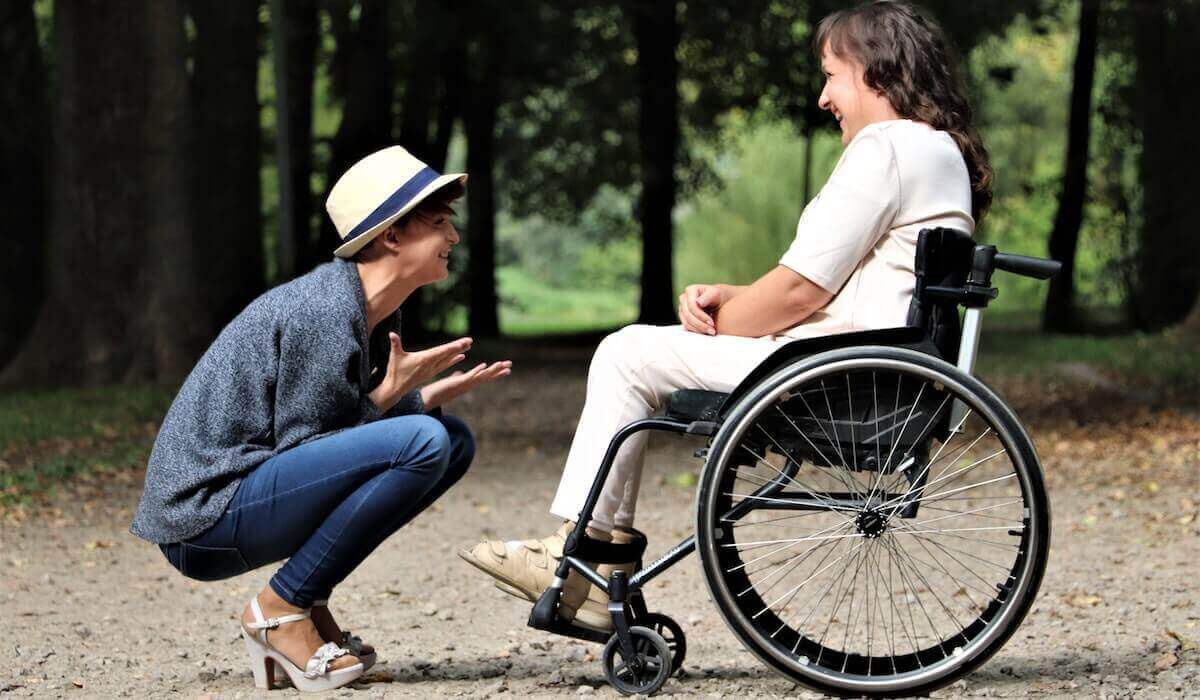
Dating with disabilities: expectations, obstacles, and genuine bonds
Dating with disabilities follows the same core logic as any other relationship: interest, communication, and compatibility. The difference lies not in emotional connection, but in how practical and social factors are managed. That is why dating with disabilities explained requires focusing on real interaction instead of assumptions. In practice, the first stage is communication style. Some people address their condition early to remove uncertainty, especially in online dating. Others wait until basic rapport is established. For example, in messaging platforms, early clarity often prevents awkward questions later, while in face-to-face settings, disclosure may come naturally during conversation. The effectiveness depends on timing and context, not on a fixed rule.
Another key factor is environment. Meeting places, accessibility, and pace of interaction can influence comfort. Choosing a location with step-free access or a quieter setting is not a limitation—it is a practical decision that improves the quality of the date. When logistics are handled correctly, attention shifts fully to conversation and connection.
Social perception often creates the main barrier. Many people lack experience, which leads to hesitation or overly cautious behavior. However, this usually disappears after the first natural interaction, when focus moves from disability to personality. In real dating situations, success depends on clarity, respect, and adaptability. Disability becomes one characteristic among many, while the relationship itself is built on mutual interest and consistent interaction.
Relationship challenges disabilities can create
Relationships that include disability often face challenges that are practical rather than emotional. The core dynamics—trust, attraction, compatibility—remain the same, but daily interaction may require additional coordination. That is why relationship challenges disabilities can create are better understood as situational factors, not barriers to connection. One of the most common challenges is communication about needs. If expectations are not clearly expressed, small issues can grow into tension. For example, differences in energy levels, mobility, or sensory comfort may affect how often partners meet or how they spend time together. Without direct discussion, one partner may misinterpret these limits as lack of interest.
Another challenge is external perception. Social environments are not always adapted, which can influence dating experience. Situations like inaccessible venues or uncomfortable public reactions may create pressure that has nothing to do with the relationship itself. This requires partners to plan ahead and choose environments that support comfort instead of reacting to problems in real time.
Emotional balance can also shift if one partner takes on a caregiving role. When support becomes one-sided, the relationship may lose equality. Maintaining clear boundaries helps prevent this dynamic and keeps both partners engaged as equals. These challenges do not define the relationship. When communication is structured and expectations are realistic, most difficulties become manageable. The key is not avoiding complexity, but handling it with clarity and consistency.
Also worth reading: Why emotional distance shows up and what it signals
Love and disabilities in real relationships
Love in relationships that include disability develops through the same mechanisms as any other connection: repeated interaction, emotional safety, and mutual investment. What changes is not the feeling itself, but how it is expressed in daily life. That is why love and disabilities in real relationships is best understood through behavior, not assumptions. In practice, emotional connection strengthens through reliability. Consistent communication, keeping plans, and responding to each other’s needs build trust over time. For example, adapting plans when one partner has limited energy or choosing activities that work for both sides creates stability instead of frustration. These adjustments are not compromises—they are part of functional partnership.
Another important factor is perception of independence. Healthy relationships maintain balance, where both partners contribute and make decisions. When one person is seen only through the lens of limitation, emotional connection weakens. When both are treated as equal participants, attachment grows naturally.
Intimacy also adapts to context. It is shaped by comfort, communication, and understanding rather than fixed expectations. Partners who openly discuss preferences and boundaries tend to build stronger emotional and physical connection. Real relationships show that love is not limited by disability. It becomes stronger when both partners focus on what works in practice. Stability, respect, and consistent effort define the relationship far more than any physical condition.
Dating expectations for disabled people
Dating expectations for people with disabilities are shaped by the same factors as any relationship: clarity, consistency, and mutual respect. The difference lies in how expectations are communicated and aligned early. That is why dating expectations for disabled people should be defined through real interaction, not assumptions. In practice, mismatched expectations often come from lack of communication rather than incompatibility. If one person expects flexibility while the other expects strict planning, tension appears quickly. For example, a partner with variable energy levels may prefer adaptive plans, while the other values fixed schedules. Without early clarification, this difference can be misinterpreted as unreliability.
Another factor is independence. Some partners assume a need for constant support, while others expect full autonomy. Both extremes create imbalance. Clear discussion helps define what support means in a specific situation, preventing overcompensation or distance. Realistic expectations also include pace. Emotional connection may develop normally, but meeting frequency, travel, and environment may require planning. When both sides understand this early, frustration decreases. Key expectations that support stable dating:
- Clear communication about needs and limits
- Agreement on pace and frequency of meetings
- Balanced approach to independence and support
- Flexibility in planning without losing reliability
- Focus on compatibility rather than assumptions
When expectations are defined early, dating becomes more predictable and comfortable, allowing connection to develop without unnecessary pressure.
Disability and intimacy explained
Intimacy in relationships that include disability is built through communication, comfort, and adaptation. The emotional foundation remains the same, but expression may vary depending on individual needs. That is why disability and intimacy explained should focus on how connection works in practice. Physical intimacy is not defined by a single standard. It depends on comfort, trust, and understanding between partners. For example, some couples adjust pace or positioning, while others focus more on emotional closeness and gradual development. These adaptations do not reduce intimacy—they make it more personalized.
Emotional intimacy often becomes stronger through communication. Partners who openly discuss boundaries, preferences, and concerns tend to build deeper trust. This reduces uncertainty and creates a more stable connection. Confidence also plays a role. Social stereotypes can affect how people perceive attractiveness. In real relationships, this changes when partners respond to each other’s behavior rather than assumptions. Consistent positive interaction strengthens confidence over time. Key elements that shape intimacy:
- Open discussion of boundaries and preferences
- Focus on comfort rather than rigid expectations
- Adaptation of physical interaction to individual needs
- Emotional support as part of closeness
- Confidence built through consistent positive response
Intimacy becomes stable when both partners treat it as a shared process. Clear communication and mutual respect allow connection to develop naturally without pressure or fixed expectations.
Dating inclusivity and mutual respect
Inclusive dating is defined by behavior, not labels. It is built on equal participation, clear communication, and consistent respect in everyday interaction. That is why dating inclusivity and mutual respect is not about special treatment, but about creating conditions where both partners are comfortable, heard, and involved in decisions. In practice, inclusivity begins with awareness. People enter dating with different experiences, expectations, and needs. When these differences are acknowledged early, interaction becomes more stable. For example, choosing an accessible meeting place or adjusting the pace of communication shows attention without turning it into a central topic. Respect is expressed through actions, not declarations.
Another key factor is balance. When one partner dominates decisions or assumes control, connection weakens. Inclusive dating requires shared responsibility, where both sides contribute to planning, communication, and emotional support. This maintains equality and prevents dependency patterns. Mutual respect also appears in how boundaries are handled. Clear agreements about time, space, and comfort reduce misunderstandings. When boundaries are ignored or minimized, trust declines quickly, regardless of initial attraction. Key principles that support inclusive dating:
- Equal participation in decisions and planning
- Respect for personal boundaries and preferences
- Open communication without assumptions
- Adaptation to each other’s needs without pressure
- Focus on interaction quality rather than differences
Inclusive dating works when both partners act with awareness and consistency. Respect is not a separate element—it is the structure that supports stable, long-term connection.
Relationships with disabilities explained realistically
Relationships that include disability function through the same core principles as any other partnership: communication, compatibility, and consistent behavior. The difference is not in emotional structure, but in how daily life is organized around individual needs. That is why relationships with disabilities explained realistically focus on practical interaction rather than assumptions or stereotypes. In real situations, stability depends on clarity from both sides. Partners who openly discuss expectations, routines, and comfort levels tend to avoid unnecessary misunderstandings. For example, differences in energy, mobility, or social comfort may influence how often meetings happen or how plans are arranged, but these factors are managed through planning rather than treated as barriers.
Emotional connection develops in the same way as in any relationship—through repetition, trust, and shared experiences. When interaction is consistent, attention shifts from external differences to personality and behavior. This is where long-term compatibility is actually formed.
Another important aspect is independence. Healthy relationships maintain balance, where neither partner is defined solely by support or limitation. When both individuals contribute in their own way, the relationship remains equal and stable over time. External perception can still influence dynamics, but it does not determine outcome. What matters is how both partners respond to situations together, not how others interpret them. Ultimately, realistic relationships with disabilities are not exceptional versions of dating. They are standard relationships adjusted to real-life conditions, where respect, communication, and consistency define success more than any physical factor.
Moderation quality and photo verification systems make all the difference between authentic romance and frustrating encounters with scammers. If data security is your primary requirement, examine this vetted rating of secure European online dating services to choose a trusted space.

Anna is into helping singles find love and couples enhance their connections. She has already assisted a lot of people in improving their self-esteem, building healthy relationships, and enhancing their level of life in general. With a vibrant online presence, Anna continues to share her wisdom through her popular blog and social media channels, where she offers tips, hosts Q&As, and keeps her audience informed about the latest trends in the dating world.