
Signs someone dodges commitment rather than love itself

Signs someone dodges commitment rather than love itself

Commitment avoidance in dating is usually expressed through behavior rather than direct explanation. A person may show interest, enjoy spending time together, and communicate warmly, but still pull back when the relationship starts moving toward stability or clearer emotional responsibility. This creates inconsistency between closeness and withdrawal. The key distinction is between lack of interest…

Why emotional distance shows up and what it signals

Why emotional distance shows up and what it signals

Emotional distance in relationships appears when partners begin to feel less connected in daily interaction. It does not always mean the relationship is ending; often it reflects changes in communication, stress levels, or priorities. That is why emotional distance in relationships explained should focus on behavior rather than assumptions. In real situations, emotional distance shows…

Dating with disabilities: expectations, obstacles, and genuine bonds

Dating with disabilities: expectations, obstacles, and genuine bonds

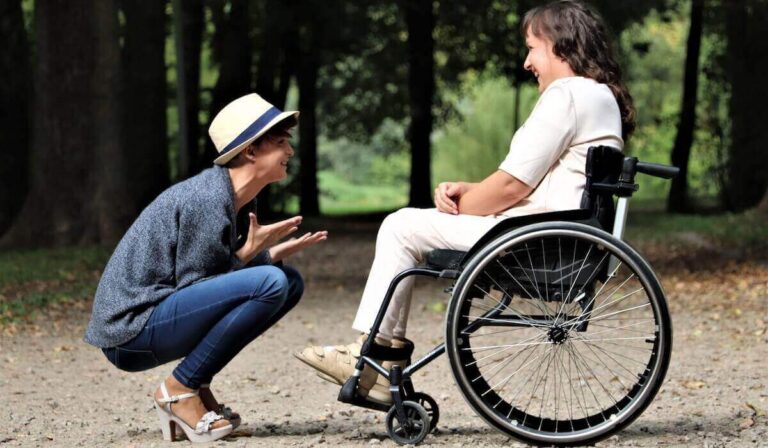
Dating with disabilities follows the same core logic as any other relationship: interest, communication, and compatibility. The difference lies not in emotional connection, but in how practical and social factors are managed. That is why dating with disabilities explained requires focusing on real interaction instead of assumptions. In practice, the first stage is communication style….

How singles shift into committed relationships

How singles shift into committed relationships

The move from single life into a relationship usually happens gradually. In most cases, it grows through repeated contact, trust, and stable behavior. Attraction may start interest, but consistency builds commitment. That is why transition from single to relationship is a process, not one moment. At first, two people remain mostly independent while exploring connection….

Body language signs that reveal attraction and interest

Body language signs that reveal attraction and interest

Interest is often noticed before it is spoken. In early dating, body language can reveal attention, ease, or distance faster than conversation. Small physical reactions usually appear naturally, which makes body language attraction cues useful when words remain neutral. Eye behavior is one of the strongest indicators. A person who returns eye contact, looks back…

First date ideas that ease tension and spark connection

First date ideas that ease tension and spark connection

The emotional tone of a first meeting is often decided before serious conversation begins. Place, activity, timing, and level of comfort influence how two people behave and connect. Strong interest can fade in the wrong setting, while a simple plan can create genuine chemistry. That is why first date ideas have real influence on the…

Dating photos: how looks shape first impressions

Dating photos: how looks shape first impressions

In the digital dating sphere, a profile photograph functions as a virtually instantaneous first impression, often determining whether a potential connection initiates interaction. Unlike face-to-face encounters where charisma or body language may compensate for initial appearance, online platforms rely heavily on visual cues as primary filters. Consequently, the quality, authenticity, and composition of these images…

What qualities truly define a good partner

What qualities truly define a good partner

A strong relationship is rarely built on charm or excitement alone. Lasting connection depends on daily behavior, emotional stability, and trust. Attraction may create interest, but character determines whether the bond can grow. Consistency is one of the clearest signs of a reliable partner. Someone who keeps promises, communicates honestly, and behaves predictably creates security….

Older women with younger men: psychology and relationship dynamics

Older women with younger men: psychology and relationship dynamics

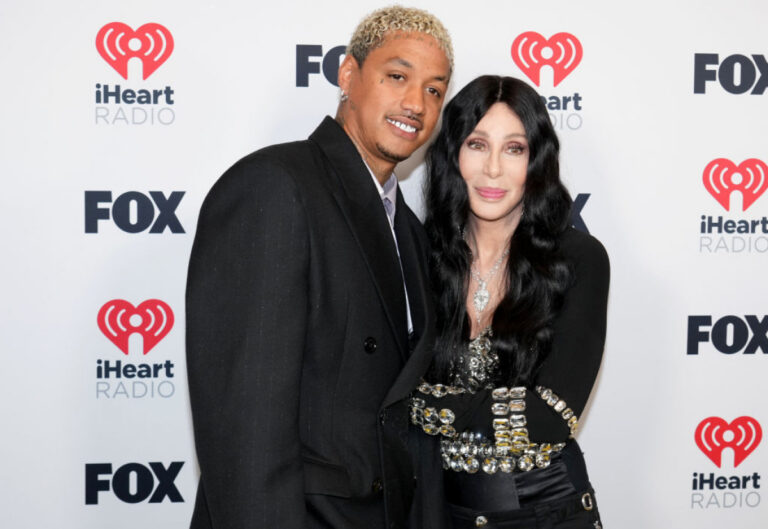
Relationships between older women and younger men are based on personal compatibility rather than age roles. The age difference changes external perception, but it does not define how the relationship functions internally. Core attraction factors are usually confidence, emotional stability, and clear communication. Older women often value directness and self-awareness, while younger men may bring…

Age gap relationships: public perception versus lived reality

Age gap relationships: public perception versus lived reality

Age gap relationships are often judged through stereotypes rather than real dynamics between two people. Most assumptions ignore how compatibility actually works in practice. A frequent misconception is that age equals emotional maturity. In reality, maturity depends on personality and experience, not only years lived. Age does not guarantee stability or readiness for a relationship….