
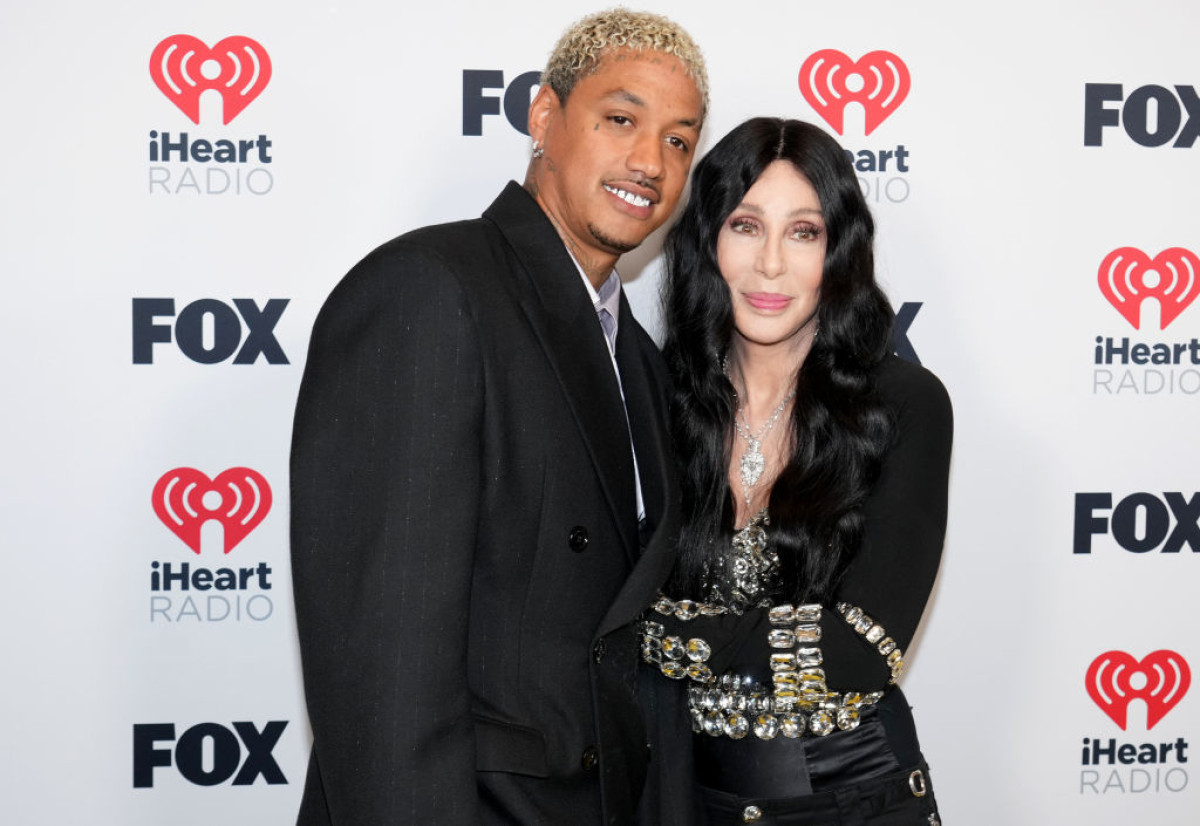
Older women with younger men: psychology and relationship dynamics
Relationships between older women and younger men are based on personal compatibility rather than age roles. The age difference changes external perception, but it does not define how the relationship functions internally. Core attraction factors are usually confidence, emotional stability, and clear communication. Older women often value directness and self-awareness, while younger men may bring energy, openness, and flexibility. These differences can complement each other when expectations are aligned.
Power balance concerns are often mentioned in discussions about such relationships. In practice, balance depends on behavior, not age. Mutual respect, shared decision-making, and emotional equality are what determine stability. Common dynamics include:
- Stronger emphasis on emotional honesty
- Less focus on traditional role expectations
- Higher importance of communication clarity
- Need for aligned life goals
Social perception often shapes how these relationships are viewed from the outside, but it does not reflect the actual interaction between partners. Many assumptions are based on stereotypes about gender and age rather than real experience. In real life, success depends on compatibility in values, lifestyle, and emotional readiness. When both people understand their expectations and respect differences, age becomes a secondary factor. These relationships function like any other connection: stability comes from trust, communication, and shared direction, not from age combination.
Psychological dynamics in age gap relationships
Age gap relationships are shaped more by psychological differences than by age itself. Each partner brings a different level of life experience, which influences how they think, react, and make decisions. Different perspectives on life situations are common. A more experienced partner may rely on caution and long-term thinking, while a younger partner may focus on experimentation and immediate possibilities. These differences can complement each other or create tension, depending on communication. Emotional responsibility is another key factor. In some cases, one partner may naturally take a more guiding role due to experience or stability. If this becomes unbalanced, it can affect equality in decision-making. Healthy dynamics require awareness of this tendency.
Security and independence needs may also differ. One person may prioritize emotional stability and consistency, while the other values freedom and personal development. These needs must be openly discussed to avoid misunderstanding. Main psychological influences include:
- Different decision-making styles
- Unequal life experience shaping reactions
- Varying needs for stability or independence
- Sensitivity to perceived imbalance in the relationship
Many difficulties appear when partners expect identical emotional responses. In reality, differences are normal and can be productive if both sides adapt. The strength of these relationships depends on how well partners understand each other’s mindset. When communication is direct and assumptions are avoided, psychological differences become manageable rather than disruptive.
How relationships with older women and younger men function in practice
Relationships between older women and younger men function based on everyday interaction rather than age difference. What matters most is how both partners communicate, make decisions, and adapt to each other’s lifestyle. Communication patterns often define stability. Older women may prefer clearer and more direct expression of thoughts, while younger men may use a more relaxed or informal approach. These differences are not problems by default, but they require adjustment so that expectations are understood correctly and misunderstandings are avoided.
Daily lifestyle coordination plays a practical role. Differences may appear in social activity levels, routines, or priorities. One partner may focus more on stability and structured plans, while the other may prefer flexibility and spontaneity. A functioning relationship requires finding a middle point where both feel comfortable without changing their core personality. Emotional roles and responsibility are flexible. Experience does not automatically determine leadership in the relationship. In healthy dynamics, decisions are shared, and neither partner dominates the direction of the connection. Balance is achieved through mutual respect rather than assumed roles based on age. Key elements that influence how the relationship works:
- Clear and realistic expectations about commitment
- Balanced time together and personal independence
- Respect for different life experience and perspective
- Willingness to adapt communication styles when needed
- Shared understanding of long-term direction
External opinions and stereotypes may exist, but they do not define how the relationship functions internally. Most challenges arise from mismatched expectations or lack of communication, not from the age gap itself. In practice, these relationships work when both partners treat each other as equals and focus on behavior, compatibility, and shared understanding rather than social assumptions.
The mindset of older women in relationships with younger partners
Older women in relationships with younger partners often approach connection with clearer self-awareness and stronger personal boundaries. Their mindset is usually shaped by previous life experience, which influences how they evaluate compatibility and emotional behavior. Clarity about needs is a common characteristic. Many are more direct about what they want from a relationship, including emotional stability, respect, and consistent communication. This reduces ambiguity and helps set realistic expectations early. Reduced tolerance for inconsistency is also typical. After past experiences, many prioritize reliability over intensity. Emotional games, unclear intentions, or unstable behavior are often seen as red flags rather than normal dating dynamics.
Focus on emotional maturity is stronger than focus on age. Attraction is often based on behavior, communication style, and responsibility rather than numerical age. Younger partners who show stability and respect are often considered compatible. Key aspects of this mindset include:
- Clear understanding of personal boundaries
- Preference for honest and direct communication
- Emphasis on emotional stability over intensity
- Evaluation based on behavior, not age
Independence also plays an important role. Many older women are already established in career and lifestyle, so they do not enter relationships out of need, but out of choice. This shifts the dynamic toward partnership rather than dependence. At the same time, openness to younger partners often comes from valuing energy, new perspectives, and emotional freshness. Age is not the main filter; compatibility and behavior are more important. Overall, this mindset is practical and selective. It focuses on emotional quality, consistency, and mutual respect rather than social expectations or traditional dating patterns.
Why younger men are attracted to older women
Attraction between younger men and older women is often based on psychological and behavioral factors rather than age itself. One of the main reasons is emotional clarity. Older women usually communicate more directly, which reduces confusion and makes interactions feel more stable and predictable. Another factor is confidence. Many younger men are drawn to women who are self-assured, independent, and comfortable with themselves. This type of presence often feels more grounded compared to uncertain or inconsistent behavior in dating. Experience also plays a role. Older women tend to have more developed communication skills and a better understanding of relationship dynamics. This can create smoother interaction, fewer unnecessary conflicts, and more realistic expectations from the start.
In many cases, attraction is also linked to reduced pressure. Relationships with older women are often seen as less focused on social expectations or traditional timelines. This allows younger men to experience connection without rigid roles or external judgment influencing behavior.
Maturity is another important element. Emotional stability, calm reactions, and the ability to handle situations without overreaction often create a sense of security in communication. For some younger men, this feels more comfortable than unpredictable emotional patterns. At the same time, individuality matters more than age. Not every older woman or younger man fits these patterns. Attraction depends on personality, values, and compatibility rather than general assumptions. Overall, the appeal is often connected to stability, confidence, and clear communication, which can make interactions feel more natural and less complicated.
Also worth reading: What qualities truly define a good partner
How age gap relationships work in everyday life
Age gap relationships in everyday life function through practical coordination rather than age differences. The focus is on how two people manage communication, routines, and shared decisions. Daily interaction often becomes the main structure of the relationship. Simple activities like planning time together, managing responsibilities, or discussing future plans reveal how well partners align in real situations. Differences in lifestyle are normal. One partner may prefer structured routines, while the other is more flexible. Success depends on how easily both adapt without trying to change each other’s core habits.
Communication plays a central role. Clear expression of expectations prevents misunderstandings that could otherwise come from different life experience or perspectives. When communication is direct, most potential issues are reduced. Emotional balance also matters in practice. Stability is not determined by age but by behavior. How partners handle stress, disagreement, and support each other has a stronger impact on daily harmony than any external factor. External opinions may exist, but they rarely affect internal dynamics if the relationship is stable. Most challenges come from mismatched expectations, not from the age difference itself.
In everyday life, these relationships work when both partners:
- Respect each other’s routines and habits
- Communicate clearly and consistently
- Share responsibility in decisions
- Maintain individual independence while staying connected
Age becomes less relevant over time when daily interaction is stable and predictable. What remains important is cooperation, understanding, and the ability to function as a balanced team in real-life situations.
A realistic perspective on dating older women
Dating older women is often viewed through stereotypes, but real experiences are usually more practical and less dramatic. The dynamic depends on individual compatibility rather than age difference, and success is shaped by behavior, not assumptions. One key aspect is communication quality. Older women often prefer direct and honest interaction, which reduces misunderstandings and makes intentions clearer from the beginning. This can create a more stable foundation compared to vague or inconsistent communication styles. Another important factor is emotional clarity. Many older women have already gained experience from past relationships, which often leads to a better understanding of boundaries, expectations, and personal priorities. This can result in more straightforward relationship dynamics without unnecessary uncertainty.
At the same time, independence is usually stronger. Older women are often established in their careers and personal lives, so relationships are typically based on choice rather than need. This changes the dynamic into a more balanced form of partnership where both sides contribute equally.
Realistic challenges also exist. Differences in life stage can affect long-term planning, energy levels, or social priorities. However, these challenges are not unique to age gap relationships and appear in many partnerships when expectations are not aligned. The most important factor is compatibility in values and lifestyle. Age itself does not determine connection quality. When communication is clear and both partners respect each other’s individuality, the relationship can function naturally and without pressure.
Choosing a reliable dating platform can feel overwhelming given the sheer volume of niche services popping up every year. Before creating multiple accounts and spending money on subscriptions, it pays to check an updated ranking of the best European online dating sites to see which platforms deliver the highest response and verification rates.

Moreno can easily become your personal dating guru! With a passion for helping individuals navigate the complexities of modern romance, Moreno has dedicated his life to empowering people to find love and fulfillment in their relationships. He knows how cope with dating anxiety, master the art of conversation, and build confidence. Thanks to expert’s articles, you will be able to start meaningful connections and discover lasting happiness. Unlocking your full potential in love and life has never been easier.